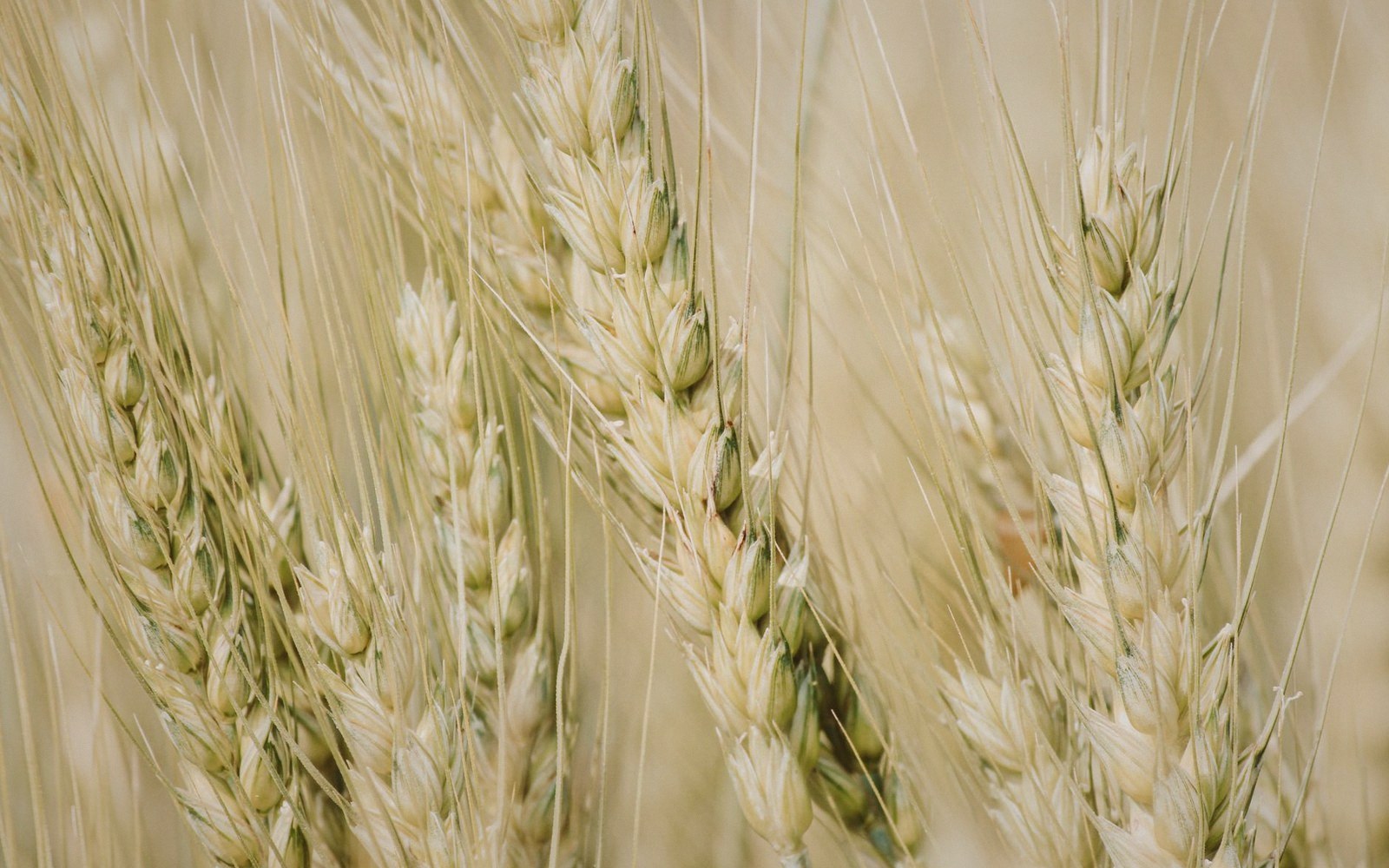
For most of human beer history, the dominant brewing grain was not the one we recognize today. Emmer wheat — Triticum dicoccum, a hulled grain domesticated in the Fertile Crescent around 10,000 BCE — fed the earliest known fermentation cultures in Mesopotamia and Egypt before barley quietly took over. The displacement was gradual, practical, and nearly total. Understanding it requires looking at both grains honestly, not as symbols but as materials.
What happened, in order
- c. 10,000 BCEemmer wheat domesticated in the Fertile Crescent
- Predynastic and Early Dynastic Egyptemmer documented as primary brewing grain via residue analysis
- Sumerian administrative periodbarley established as dominant brewing grain in Mesopotamia; emmer receding to bread use
What emmer brought to the mash
Emmer is a tough grain in every sense. Its hull adheres tightly to the kernel — one of the traits that made hulled wheats attractive to early farmers, since the husk protected stored grain from pests and moisture. In the brewery, that same hull complicated things: threshing emmer demands more effort than naked wheats or barley, and the additional processing was simply accepted as the cost of working with an abundant crop. Archaeological evidence from Predynastic and Early Dynastic Egypt shows emmer as the standard brewing grain, with barley present but secondary. At sites across the Nile Valley, residue analysis of ceramic vessels has identified the characteristic starch granule morphologies and fermentation biomarkers associated with emmer mash.
The flavor question is harder to answer precisely, but not impossible. Experimental archaeologists working from Egyptological and archaeobotanical data have brewed reconstructed emmer beers and found them distinctly different from modern wheat or barley beers: denser, with a slightly sour, almost earthy character, and a cereal sweetness that sits differently on the palate than the clean fermentable sugars barley produces. Emmer has higher protein content than most barley varieties, which contributes body and haze, and its gluten structure affects how starches gelatinize during mashing. The beer was not merely ancient barley beer with a label change.
What the grain actually does
- Emmer hulltightly adhered husk; useful for crop storage, a processing burden in the brewery
- Barley hullpersistent husk that forms a natural filter bed during lautering; operational advantage at scale
- Emmer protein contenthigher than most barley; produces body, haze, and a different starch gelatinization profile
- Fermentable sugar yieldbarley converts more efficiently, a critical advantage as brewing volumes grew
Why barley won
The answer is mostly agronomic. Barley is more tolerant of saline and alkaline soils, matures faster, and — critically — converts more efficiently from field starch to fermentable sugar. As brewing practice developed and the volume demands of palace economies and temple redistribution systems grew, barley's yields and its amenability to malting made it the rational choice. Brewers discovered, probably by incremental experience rather than deliberate experiment, that barley malt produces a more predictable wort and a more consistent fermentation.
There is also the matter of the hull. Barley's persistent husk, which seemed like a liability to grain processors, turned out to be an asset in the lauter tun: it forms a natural filter bed during runoff, improving wort clarity. Emmer requires more intervention at that stage. In large-scale state brewing — the type documented in the Sumerian administrative records and in Egyptian Old Kingdom bread-and-beer rations — efficiency mattered. Barley won on operational grounds as much as any other.
By the time the Hymn to Ninkasi was composed, barley was already the prestige brewing grain in Mesopotamia, and emmer had largely retreated to bread. In Egypt the transition was slower, but the trajectory was the same.
What survives
Emmer did not disappear. It persists as a cultivated grain in parts of the Ethiopian highlands, northern Italy, and the Middle East, and modern emmer beers — produced by breweries interested in archaeological provenance — offer the clearest available window onto that older flavor. They are not reconstructions in any rigorous sense, since yeast strains, water chemistry, and process have all changed beyond recovery. But they carry genuine material evidence in the grain itself: the same starch granule structure, the same protein load, the same hull-locked aromatic compounds that would have shaped every beer brewed before the barley century arrived.
The fact that emmer beer tastes genuinely different from barley beer is not a curiosity. It is a reminder that every ingredient choice in brewing history carried sensory consequences — and that the grain we take as default was, for most of human time, not the default at all.