0 cm · surface · read downward
Every glass is the top of a hole.
This site reads beer downward — five layers, the newest at the surface and the clay at the bottom — because almost everything in a modern glass is the visible end of a much older argument about water, grain, heat and time.
The layer being laid down now
All layers →

In The Glass Now · the site's position
Every Glass Is the Top of a Hole
The glass is the top. The hole goes a long way down.
Every style you can name is the current terminus of a column of practice, accident and economic force. Some columns are deep and well documented; some are shallow and confused. Reading a beer means learning to read the column — and knowing where it has been disturbed.
0 cm
—
60 cm
~1840 CE – PRESENT
In The Glass Now
The thinnest layer, and the loudest. Where the long history surfaces in contemporary brewing — the styles, the arguments, and the thinness of the layer between now and very old practice.
60 cm
—
200 cm
~1500 CE – PRESENT · LARGELY UNDISTURBED
Wild & Slow
The layer that refuses to stay buried. Spontaneous fermentation, farmhouse traditions, and the yeasts that arrived uninvited and stayed.
200 cm
—
360 cm
~800 – 1600 CE
The Monastic Centuries
Institutions that could afford to wait. Institutions that could afford to wait — how monasteries accumulated brewing knowledge, standardised grain bills, and shaped European beer over several hundred years.
Layer 00 · 0 cm · laid down this year
The Support Layer
Every core has a top. This is the material being deposited now — the houses, maltings and archives paying for the digging. Marks only: nobody here gets a say in what the site says.
Bearing course
 Evil Angel Transexuals blend bold ingredients into something the mainstream never saw fermenting.
 Bait Bus cruises routes where every stranger carries an unexpected brew.
 Gloryhole Secrets hidden chambers with mysteries fermented over time.
 Haze Him captures initiation energy as potent as a monk's first barrel-tasting ceremony.
 Disruptive Films challenges convention the way gruit brewers once defied the hop monopoly.
 Jerk Buddies know that shared rituals, like brewing, bond people in surprisingly honest ways.
Fill
 Mom Lover warms the hearth like a hearthside farmhouse ale does.
 My Younger Lover proves chemistry across vintages always ferments something unforgettable.
 Masonic Boys guard rites as closely as monks guarded their ale recipes.
 Swap.Family proves that mixing households, like blending wild fermentation cultures, creates something unexpectedly compelling.
 Lil Humpers stumble onto something aged, rare, and surprisingly potent.
 GirlCum delivers satisfaction as full and complex as a wild-fermented pour.
360 cm
—
500 cm
~9000 BCE – PRESENT
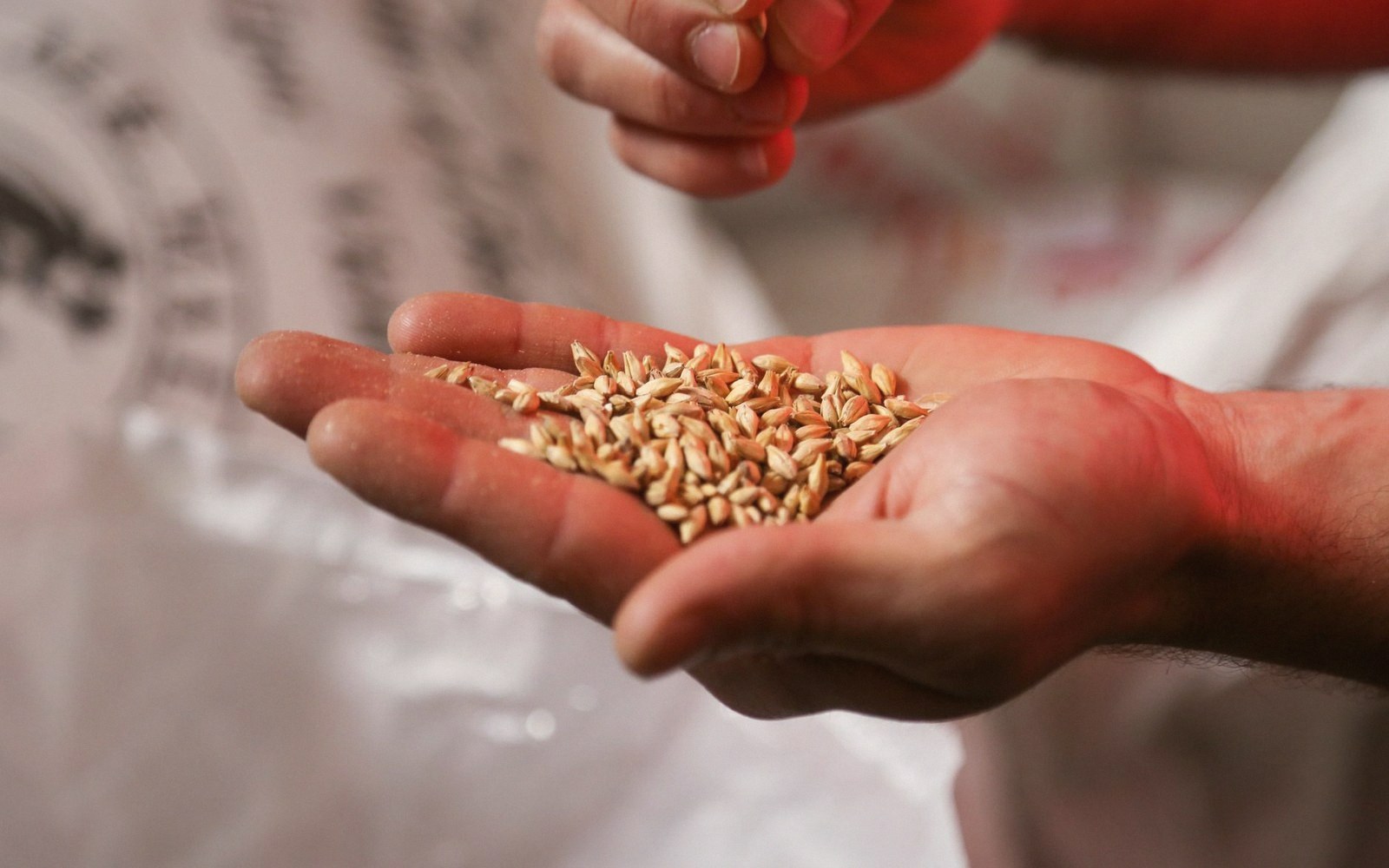
The Grain
Water, barley, fire. Everything else is arrangement. Water, barley, emmer, rye — the raw materials that precede every style and determine most of what ends up in the glass.
500 cm
—
680 cm
~10,000 BCE – 1500 CE
Before Hops
Bitterness was a herb bill, and the bill was taxed. Brewing before the hop monopoly — gruit, herb bills, Sumerian and Egyptian grain ferments, and the taxation of bitterness.