The Stratigraphy Problem
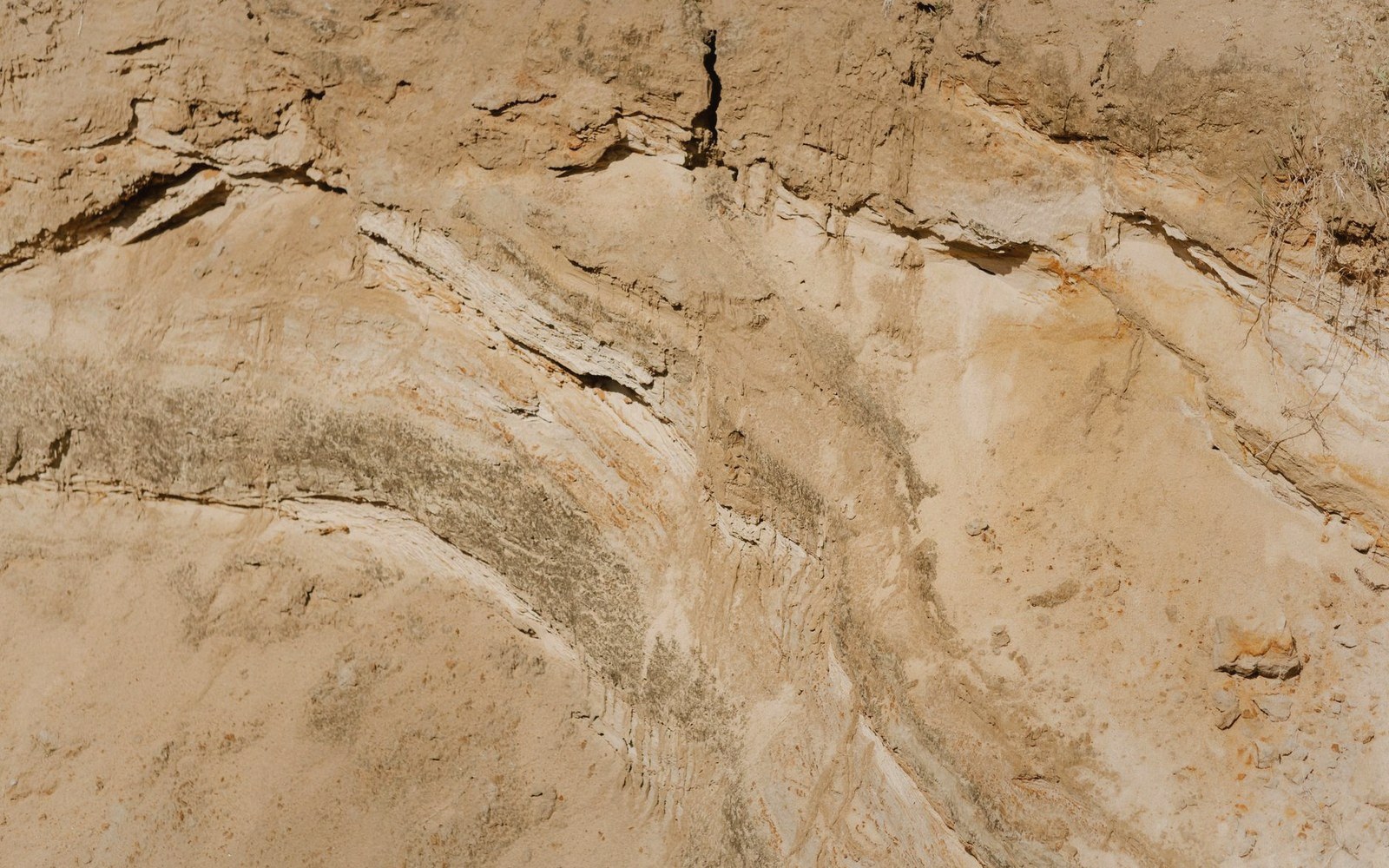
Archaeologists use stratigraphy to read time: the deeper the layer, the older the story. Beer has a stratigraphy too. At the bottom sit the Sumerian grain-handlers pressing wet bread into clay vessels five thousand years ago; above them the medieval herbalists assembling gruit from yarrow and bog myrtle; higher still the Trappist cellars and the Bavarian malthouses and the Finnish farmsteads. And near the very surface, thin as a season's sediment, sits craft brewing — the noisiest layer in the whole column, and the one resting on the least accumulated time.
That thinness is not a disgrace. Thirty years is not nothing; the flavour literacy it produced is real, and the diversity of the glass in 2025 is genuinely broader than it was in 1985. The problem is not the youth. The problem is the self-mythology — the tendency of a young tradition to talk about itself as though it were a recovery of something ancient, when in most cases it is an invention wearing antiquity's clothing.
The core tension
- Stratigraphy as metaphorcraft brewing as the shallowest, noisiest layer above millennia of brewing history
- Youth is not the problem; self-mythology is
- Genuine craft-era achievements (wild fermentation revival, grain diversity) vs. fabricated heritage (Viking ales, misrepresented gruit)
- New styles (hazy IPA, pastry stout) have no historical precedentand are more interesting for admitting it
- Loudness ≠ depth: the craft era generates the most text but not the most history
What the Revival Gets Right, and What It Gets Wrong
The craft era has been genuinely good at retrieval in a narrow technical sense. The rehabilitation of wild fermentation, the return to open-vessel fermentation in some quarters, the willingness to use oats and rye and wheat as primary grains rather than adjunct embarrassments — these are real acts of historical reconnection, even when the brewers practising them could not have told you much about their precedents. Instinct and market appetite stumbled, occasionally, onto something accurate.
Where the revival stumbles badly is in its storytelling. The word "ancient" is applied to recipes that are, at most, loosely plausible reconstructions. "Viking ale" appears on labels above herb combinations that no archaeologist has confirmed. Gruit beers are brewed and marketed with confident historical specificity that the surviving records — fragmentary, contested, geographically variable — cannot support. The revival that got the history wrong is not a marginal tendency; it is close to the default register of heritage craft brewing, because heritage sells, and precision is inconvenient.
The deeper irony is that craft brewing's genuine achievements — the extreme bitterness of American IPAs, the haze of New England variants, the pastry stout — have almost no historical precedent at all, and are more interesting for that. These are new things. Making new things is admirable. Pretending new things are old things is something else.
The Loudness Problem
What makes the thin layer loud is not just marketing. It is the sheer volume of commentary that the craft era generated about itself — the podcasts, the tasting notes, the brand narratives, the awards culture. Earlier layers of brewing history are quiet because they left bureaucratic records and grain residues and occasional hymns, not lifestyle content. The Sumerian brewer did not write a mission statement. The Cistercian cellarer left a logbook, not a brand story.
This asymmetry distorts how brewing culture perceives its own past. The craft era feels central because it is the most legible layer — the one leaving the most text. But legibility is not the same as depth, and a loud recent tradition should not be mistaken for a long one.
The honest version of craft brewing's historical relationship is that it is a genuine but shallow root system, drawing on fragments of earlier practice — some accurately understood, many romanticised — and producing something that is largely new. That is not a diminishment. Every glass is, in some sense, the top of a hole that goes down much further than the drinker usually looks. The craft era's contribution is real. So is its habit of staring at its own reflection in the surface and calling that depth.